Best Protein Powder: Complete Buying Guide
- Which Protein Powder Should You Choose?
- Why Protein Matters
- How Much Protein Do You Need?
- Types of Protein Powder
- Whey Protein Concentrate
- Whey Protein Isolate
- Casein Protein
- Plant-Based Protein
- How to Choose the Right Protein Powder
- Our Top Protein Powder Recommendations
- 🏆 Best Overall Whey Protein Options
- ⭐ Best for Fat Loss / Lean Physique
- 🌱 Best Plant-Based Option
- Essential Accessories
- Frequently Asked Questions About Protein Powder
- Conclusion
- Continue learning
- Final recommendation
- Ready to choose your protein?
Which Protein Powder Should You Choose?
Choosing the right protein powder can feel overwhelming with so many options available today.
From whey to isolate to plant-based proteins, every product claims to be the best, but the reality is that the “best protein powder” depends entirely on your goals, lifestyle, and dietary needs.
Whether your goal is muscle gain, fat loss, or simply improving your daily nutrition, this guide will help you understand exactly what to look for so you can make the right choice without confusion or marketing pressure.
Affiliate Disclosure:
This article contains affiliate links. If you click on these links and make a purchase, I may earn a commission at no additional cost to you. I only recommend products I believe are valuable and relevant.
Why Protein Matters
Protein is one of the most important nutrients for the human body.
It plays a key role in building and repairing muscle tissue, supporting fat loss, and maintaining overall health.
When you eat enough protein, your body is better able to recover from exercise, preserve lean muscle mass, and stay fuller for longer periods of time.
This is why protein intake is important not only for athletes, but also for anyone who wants to improve their body composition or general health.
Protein supports your body in several important ways:
- Helps build and repair muscle tissue
- Supports fat loss and body composition goals
- Increases satiety and reduces cravings
- Improves recovery after exercise
- Plays a role in maintaining metabolic health
How Much Protein Do You Need?
Protein needs vary depending on your body weight, activity level, and overall health goals.
For most people, there is no single “perfect number”, but research provides clear daily intake ranges that can help you estimate your needs.
Recommended daily protein intake
| Activity level | Protein per kg body weight |
|---|---|
| Sedentary (average adult) | 0.8 – 1.0g |
| Light activity | 1.0 – 1.2g |
| Regular training / fitness goals | 1.6 – 2.2g |
| High-intensity training / muscle building | 2.0 – 2.4g |
Example calculation
For example, a person weighing 70 kg would need approximately:
- Sedentary: 56–70g protein per day
- Regular training: 112–154g protein per day
- Muscle building: 140–168g protein per day

The more active you are, the more protein your body needs to repair muscle tissue and support recovery.
If you are training regularly, especially with resistance or weight training, staying at the higher end of these ranges can be beneficial.
TL;DR
Most active people fall into the 1.6–2.2g per kg range, which is often higher than they expect.
This is one of the main reasons many people choose to use protein powder, to help consistently reach their daily protein target.
Types of Protein Powder
Not all protein powders are the same. While they all help increase your daily protein intake, they differ in digestion speed, protein concentration, ingredients, and suitability for different goals.
Understanding these differences will make it much easier to choose the right option for your lifestyle and training needs.
Whey Protein Concentrate
Whey protein concentrate is the most common and widely used form of protein powder.
It is made from milk and typically contains around 70–80% protein per serving, with small amounts of carbohydrates and fats remaining.
Because it is less processed than other forms of whey, it usually has a richer taste and creamier texture, making it one of the most enjoyable options for daily use.
✔ Best for:
- Beginners
- Muscle building
- General fitness goals
- Everyday protein intake
At a glance:
| Feature | Details |
|---|---|
| Protein content | 70-80% |
| Digestion speed | Fast |
| Lactose | Moderate |
| Price | Affordable $$ |
Whey Protein Isolate
Whey protein isolate is a more refined version of whey protein.
It goes through additional filtering to remove most of the fat, lactose, and carbohydrates, resulting in a protein powder that is typically 90%+ protein per serving.
Because of this higher purity, it is often lower in calories and easier to digest for people with mild lactose sensitivity.
✔ Best for:
- Fat loss or cutting phases
- Lean muscle building
- Lactose-sensitive individuals
- Low-calorie diets
At a glance:
| Feature | Details |
|---|---|
| Protein content | 90%+ |
| Digestion speed | Fast |
| Lactose | Very low |
| Price | Higher $$$ |
Casein Protein
Casein is also derived from milk, but unlike whey, it digests slowly over several hours.
Instead of providing a quick protein spike, it releases amino acids gradually, making it useful for longer periods without food.
Because of this, many people take casein before bed to support overnight muscle recovery.
✔ Best for:
- Night-time use
- Overnight recovery
- Long gaps between meals
At a glance:
| Feature | Details |
|---|---|
| Protein content | 75-85% |
| Digestion speed | Slow |
| Lactose | Moderate |
| Price | Moderate $$ |
Plant-Based Protein
Plant-based protein powders are designed for people who avoid dairy or follow a vegan diet.
They are usually made from a blend of sources such as pea, rice, soy, or hemp protein to create a more complete amino acid profile.
Modern plant proteins have improved significantly in taste and texture, making them a realistic alternative to whey for everyday use.
✔ Best for:
- Vegans and vegetarians
- Dairy-free diets
- Lactose intolerance
- Plant-based lifestyles
At a glance:
| Feature | Details |
|---|---|
| Protein content | Varies |
| Digestion speed | Medium |
| Lactose | None |
| Price | Moderate $$ |
Comparison Table
| Type | Protein | Speed | Best For |
|---|---|---|---|
| Whey Concentrate | 70-80% | Fast | Everyday use |
| Whey Isolate | 90%+ | Fast | Fat loss/Lean muscle |
| Casein | 75-85% | Slow | Night recovery |
| Plant-Based | Varies | Medium | Vegan diets |
Now that you understand the differences between protein types, the next step is figuring out which one is actually right for you based on your goals, lifestyle, and budget.
How to Choose the Right Protein Powder
Choosing the right protein powder depends on your goals, diet, budget, and how you plan to use it in your daily routine.
While the options can seem overwhelming at first, the decision becomes much easier once you focus on a few key factors.
1
Start With Your Goal
The most important factor is your fitness goal.
If your main focus is building muscle or improving recovery, a standard whey protein is usually the best starting point.
If your goal is fat loss or a leaner physique, a whey isolate may be more suitable due to its higher protein content and lower calorie profile.
For plant-based or dairy-free diets, plant protein is the natural choice.
Quick guide:
| Goal | Best option |
|---|---|
| Muscle gain | Whey Concentrate |
| Fat loss | Whey Isolate |
| General health | Whey Concentrate |
| Vegan diet | Plant Protein |
2
Check Protein Quality per Serving
Not all protein powders are equal in terms of protein content.
A good quality whey protein typically contains around 20–25g of protein per serving.
Instead of focusing only on brand or packaging, always check:
- protein per scoop
- number of servings per tub
- added sugars or fillers
3
Consider Your Budget
Protein powders vary significantly in price.
However, the most expensive option is not always the best for your needs.
A more balanced approach is to look at:
- cost per serving
- protein quality
- taste and mixability
- brand reliability
Sometimes a mid-range product offers the best long-term value.
4
Taste and Consistency Matter More Than You Think
Even the best protein powder is useless if you don’t enjoy taking it.
Taste, texture, and mixability are often overlooked, but they strongly influence long-term consistency.
If you don’t like the taste, you simply won’t use it regularly.
5
Ingredient Transparency
Always choose products with clear ingredient labels and transparent nutritional information.
Look for:
- minimal unnecessary fillers
- clear protein source (whey, isolate, plant, etc.)
- trusted manufacturing standards
If you’re still unsure, use this simple rule:
- 🟢 Beginner or general fitness → Whey Concentrate
- 🔵 Cutting or lean physique → Whey Isolate
- 🟣 Dairy-free or vegan → Plant Protein
Now that you understand how to choose the right protein powder, let’s look at some of the best options currently available based on quality, value, and brand reliability.
Our Top Protein Powder Recommendations
Based on protein quality, ingredient transparency, taste, mixability, and overall value, we’ve selected a range of protein powders that perform consistently well across different needs and budgets.
Instead of a single “best” product, we recommend choosing based on your goals and preferences.
Below are our top options.
🏆 Best Overall Whey Protein Options
These are the most balanced whey proteins for everyday use, muscle building, and general fitness goals.
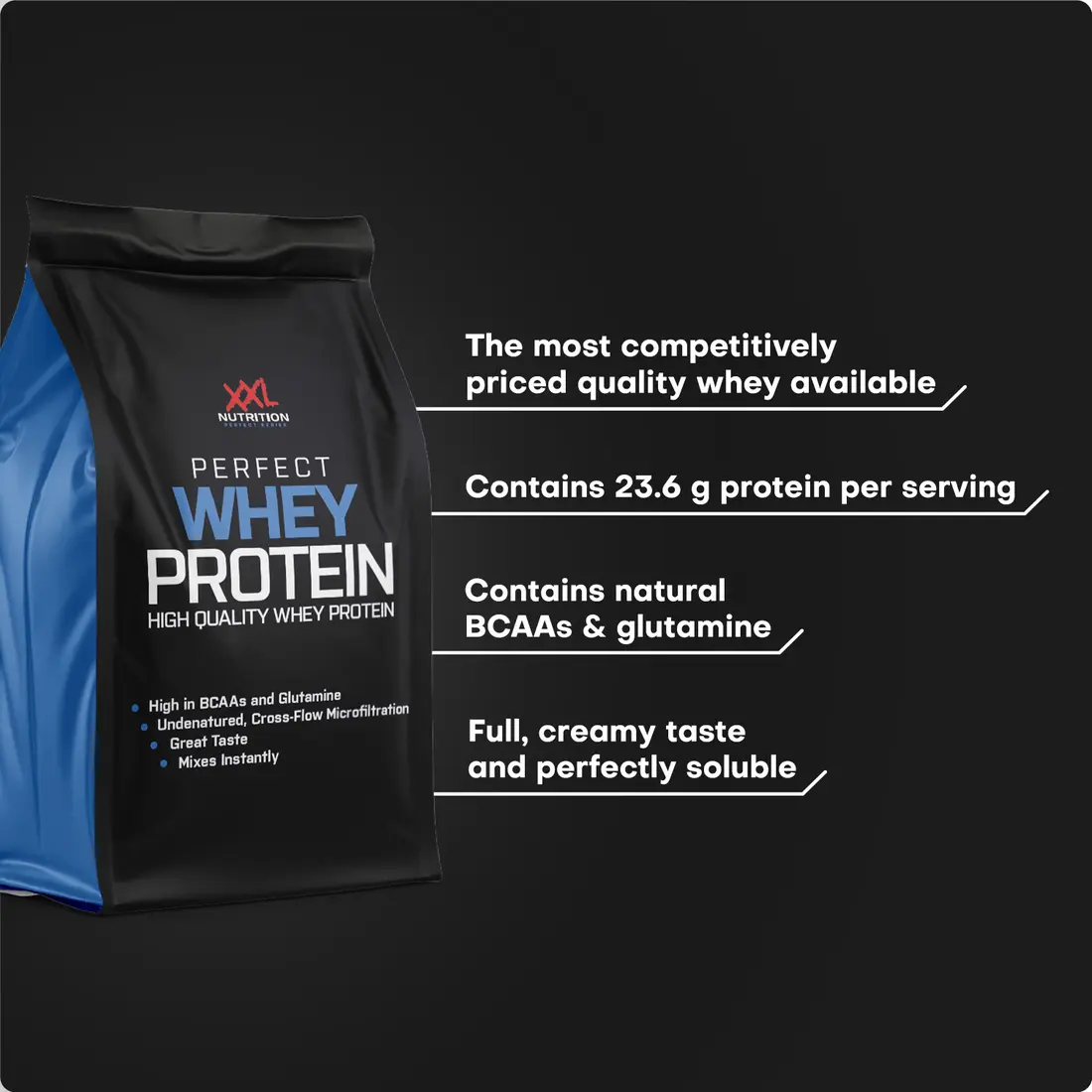
🥇 XXL Nutrition Perfect Whey
A strong all-round whey protein with excellent value for money and a wide range of flavours.
- Good protein per serving
- Affordable compared to premium brands
- Easy to use daily
- Solid choice for beginners and regular gym-goers
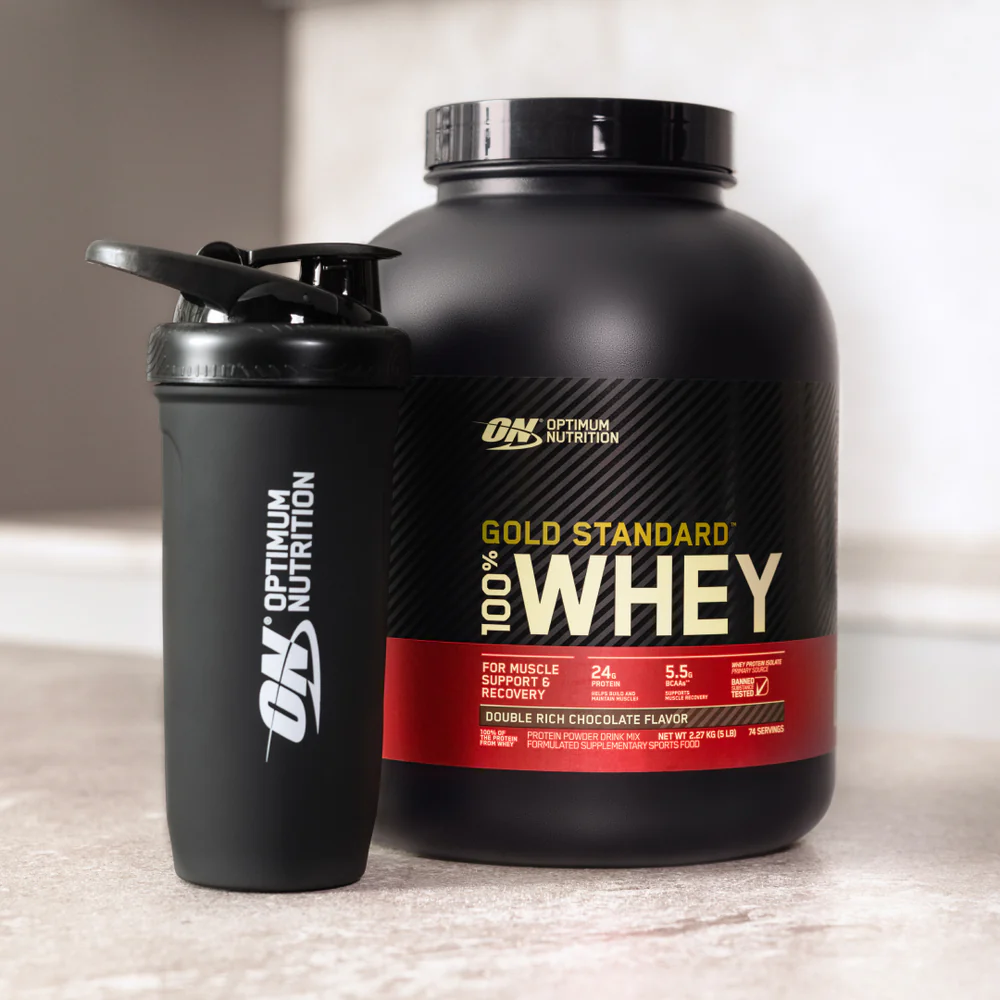
🥈 Optimum Nutrition Gold Standard Whey
One of the most well-known whey proteins globally, trusted for its consistent quality and excellent mixability.
- High-quality protein blend
- Smooth texture and great taste
- Very reliable brand reputation
- Widely available in the UK and internationally
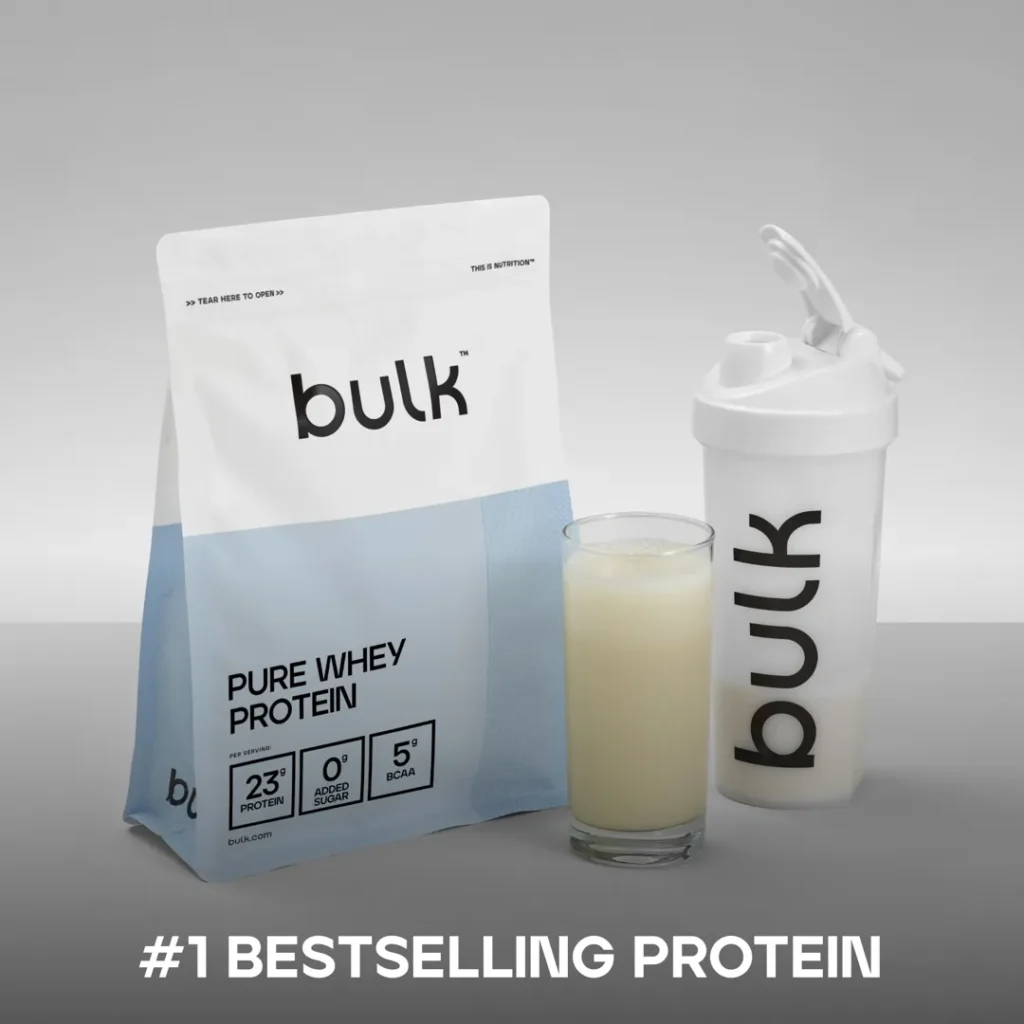
🥉 Bulk Pure Whey Protein
A cost-effective whey protein that offers solid protein content per serving, making it a reliable choice for everyday training and consistent use.
- Competitive price per serving
- Solid protein content
- Good everyday training option
- Wide product availability
⭐ Best for Fat Loss / Lean Physique
If your goal is fat loss or a leaner body composition, whey isolate options are usually more suitable due to higher protein content and lower calories.
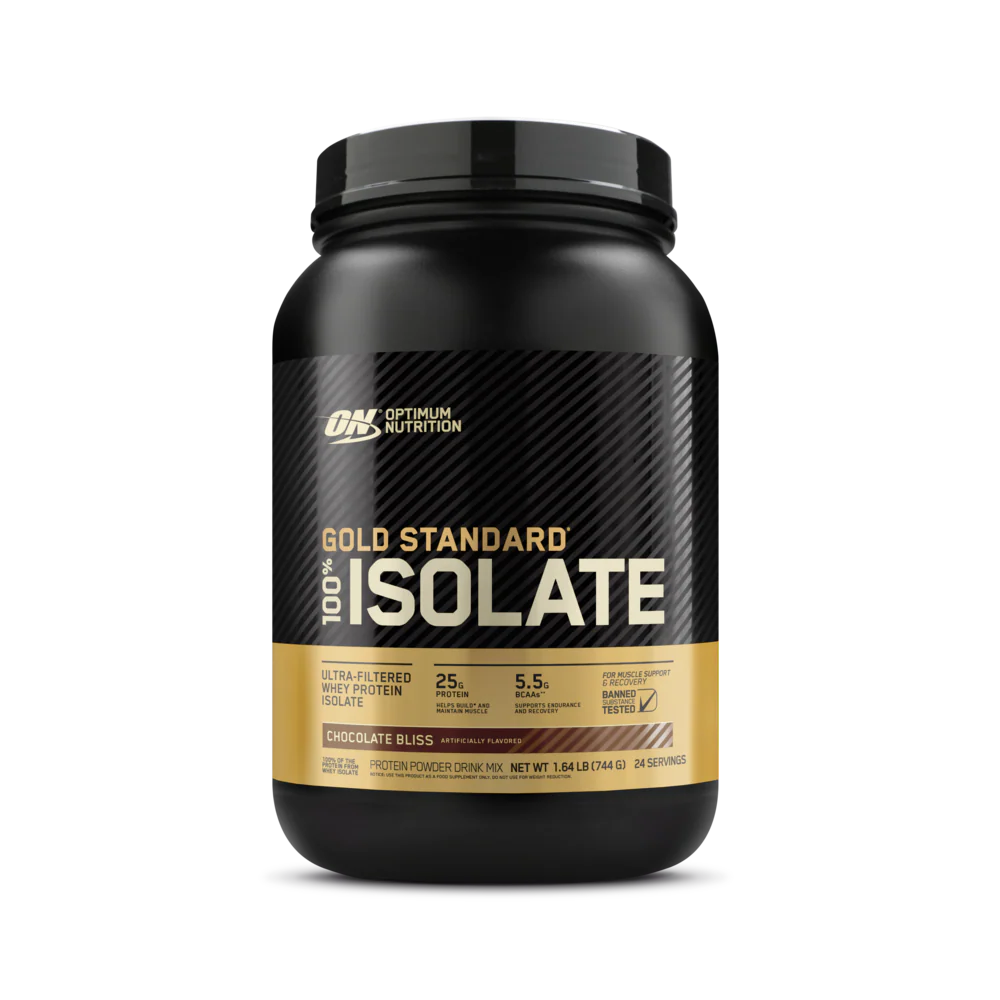
Optimum Nutrition Gold Standard Isolate
✔ High protein percentage
✔ Low in fat and carbs
✔ Easy to digest
✔ Clean, reliable formula
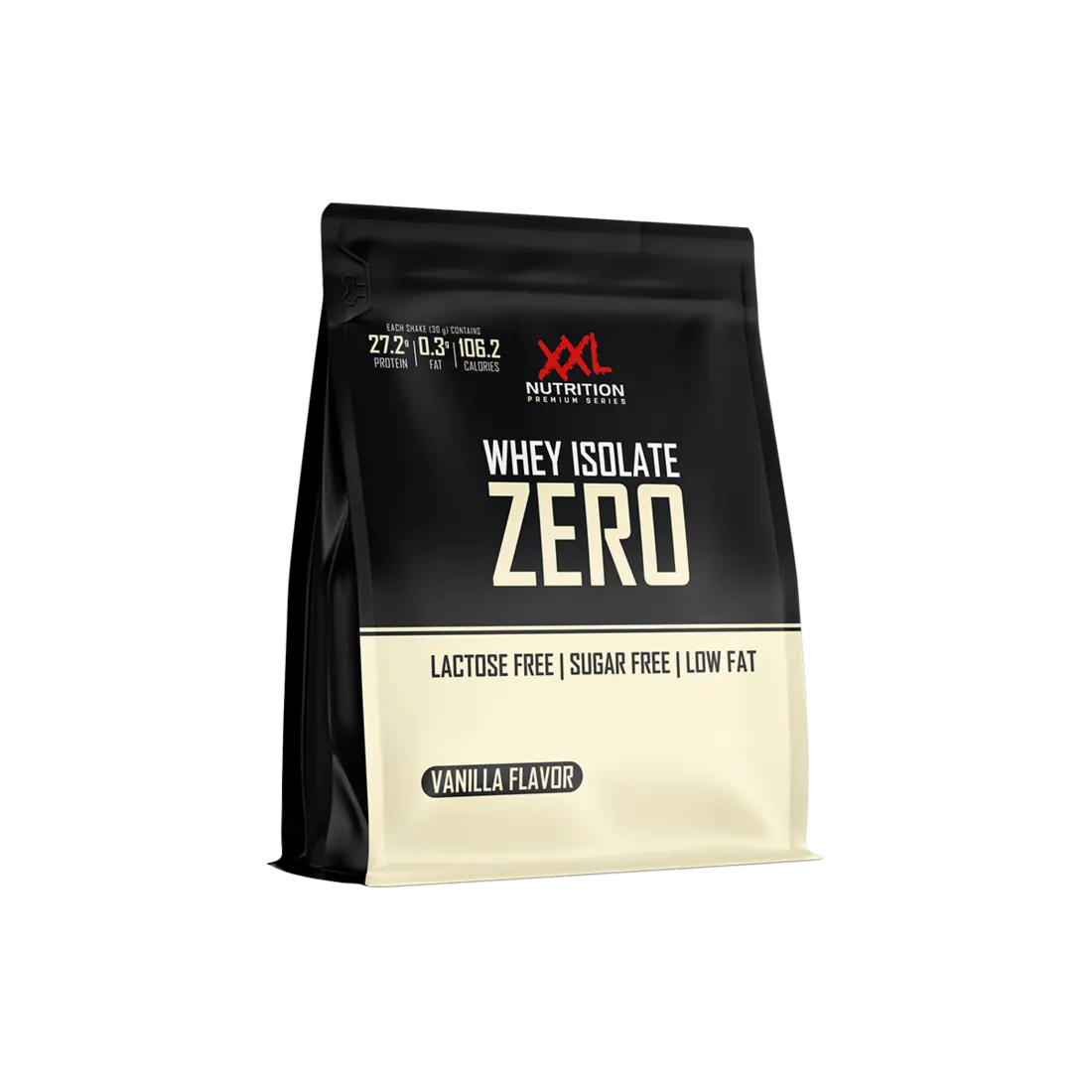
XXL Nutrition Whey Isolate Zero
✔ High-protein isolate formula
✔ Low in fat and carbohydrates
✔ Good value compared to other isolates
✔ Suitable for cutting phases
🌱 Best Plant-Based Option
For vegans, vegetarians, or those avoiding dairy.
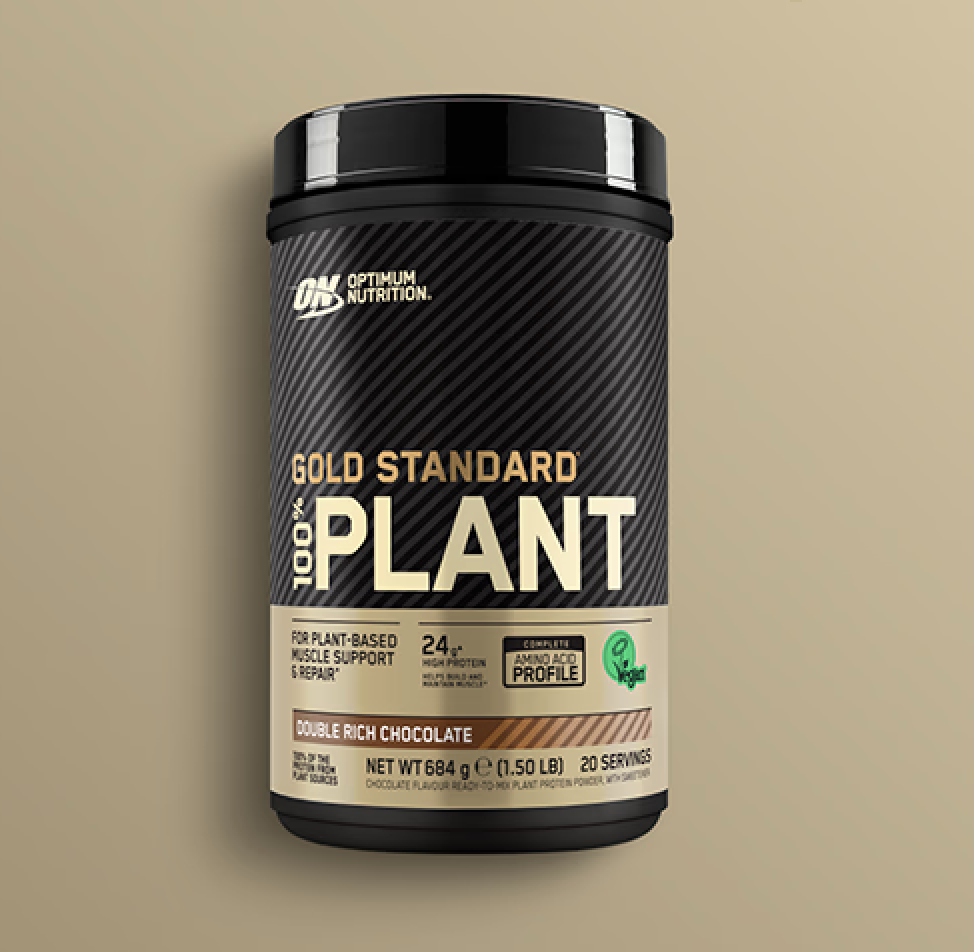
🥇 Optimum Nutrition Gold Standard 100% Plant 🌱
✔ Plant-based protein blend (pea + rice protein)
✔ Complete amino acid profile for recovery and muscle growth
✔ Includes added vitamin B12 support for vegan diets
✔ Informed Sport certified, high quality and trusted worldwide
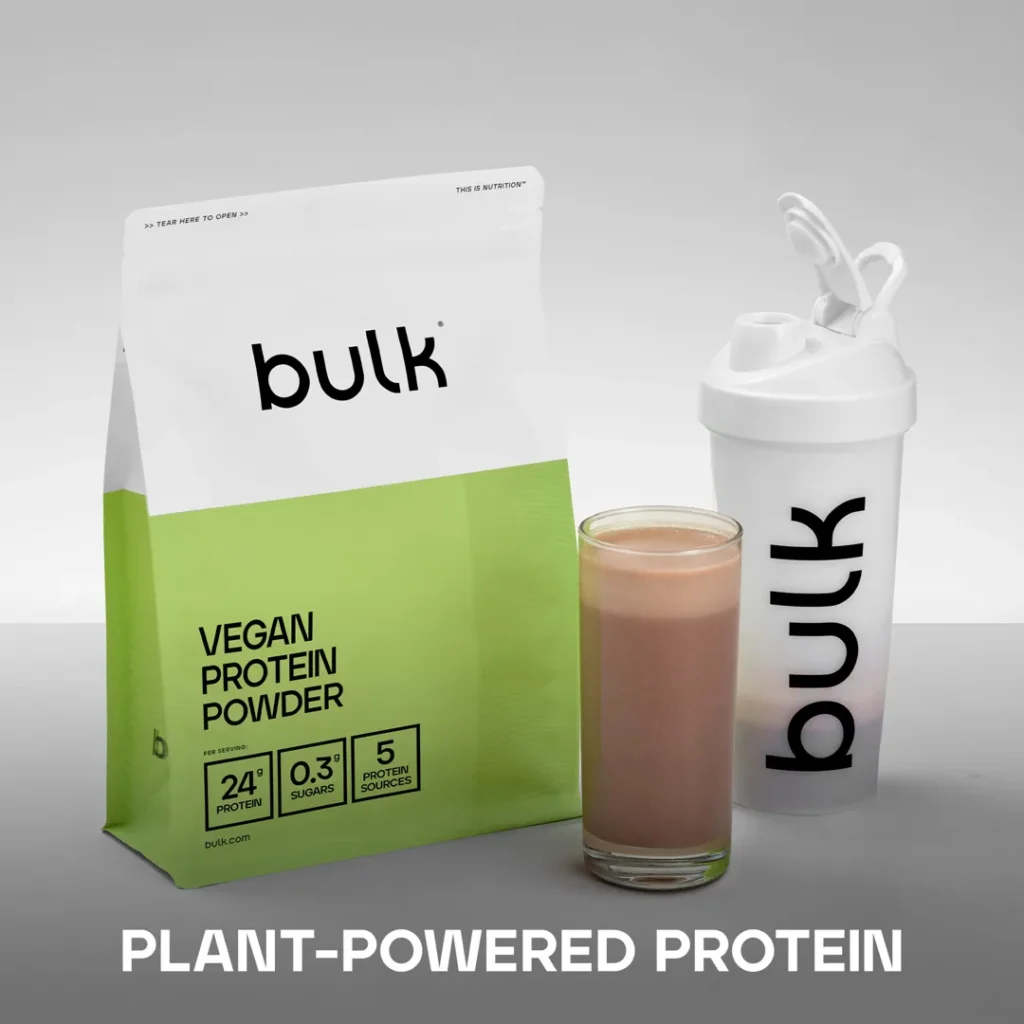
🥈Bulk Vegan Protein Powder 🌱
✔ Plant-based protein blend
✔ Complete amino acid profile
✔ Improved taste compared to older plant proteins
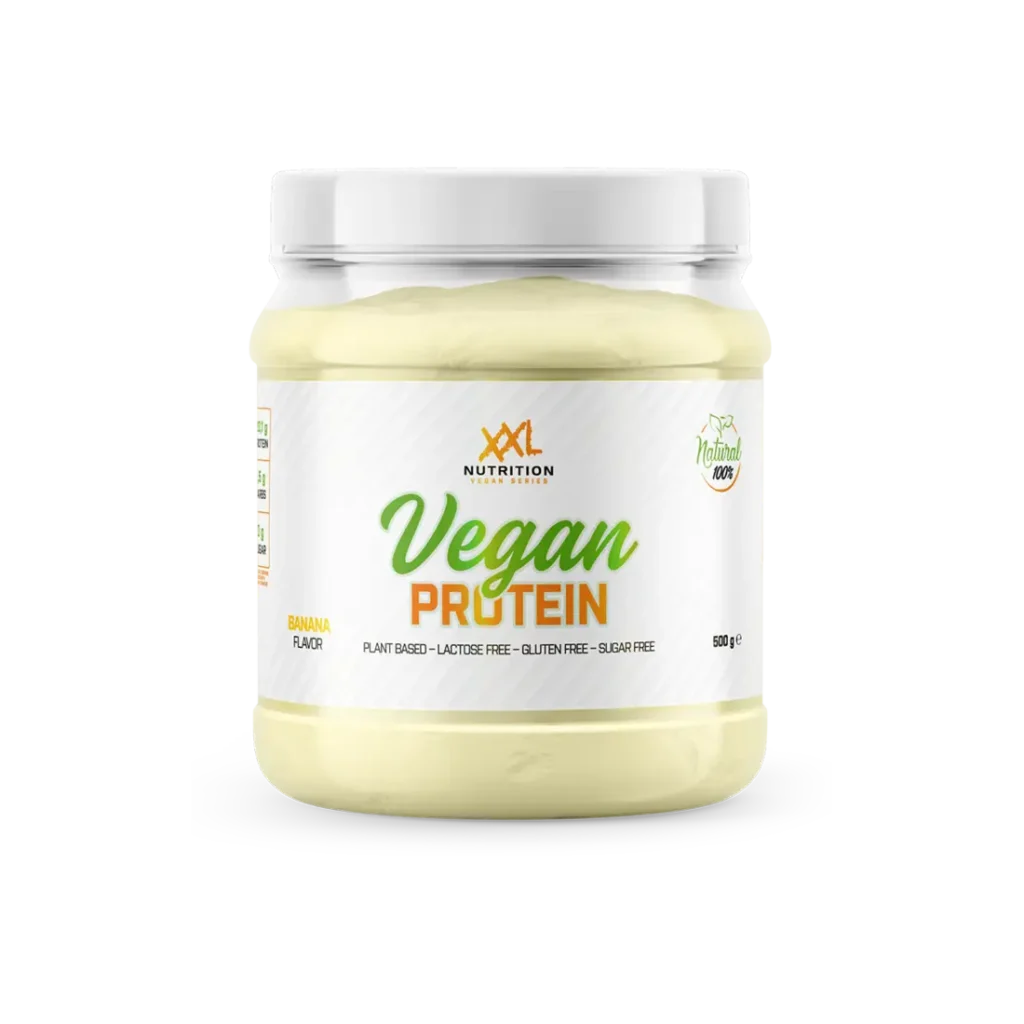
🥉 XXL Nutrition Vegan Protein 🌱
✔ 100% plant-based pea protein isolate
✔ Complete amino acid profile for muscle support
✔ Clean formula with no added sugar or artificial colours
✔ Smooth daily protein intake with good mixability and taste
Essential Accessories
These tools make daily protein intake easier and more consistent.
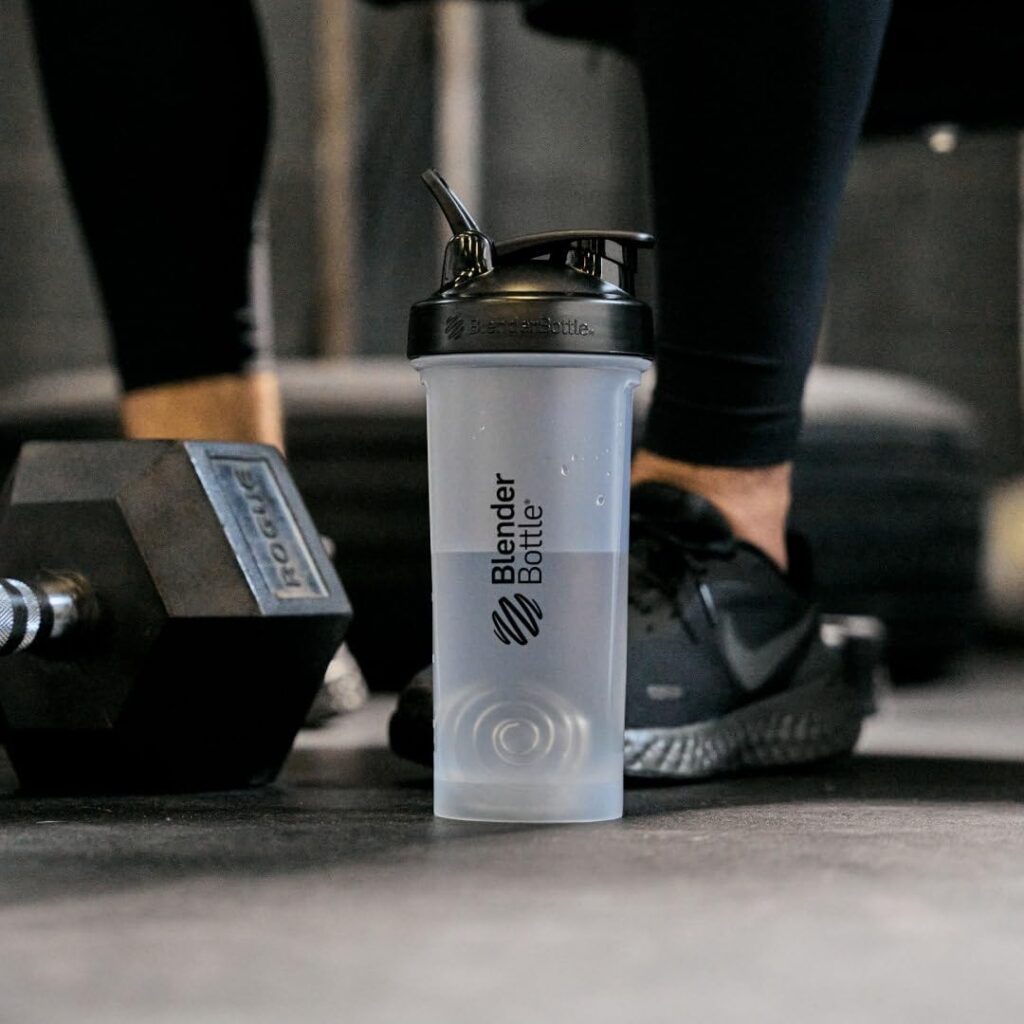
BlenderBottle Classic V2
The most popular shaker bottle for a reason. Leak-proof, BPA-free and comes with the iconic BlenderBall wire whisk for smooth, clump-free shakes every time.
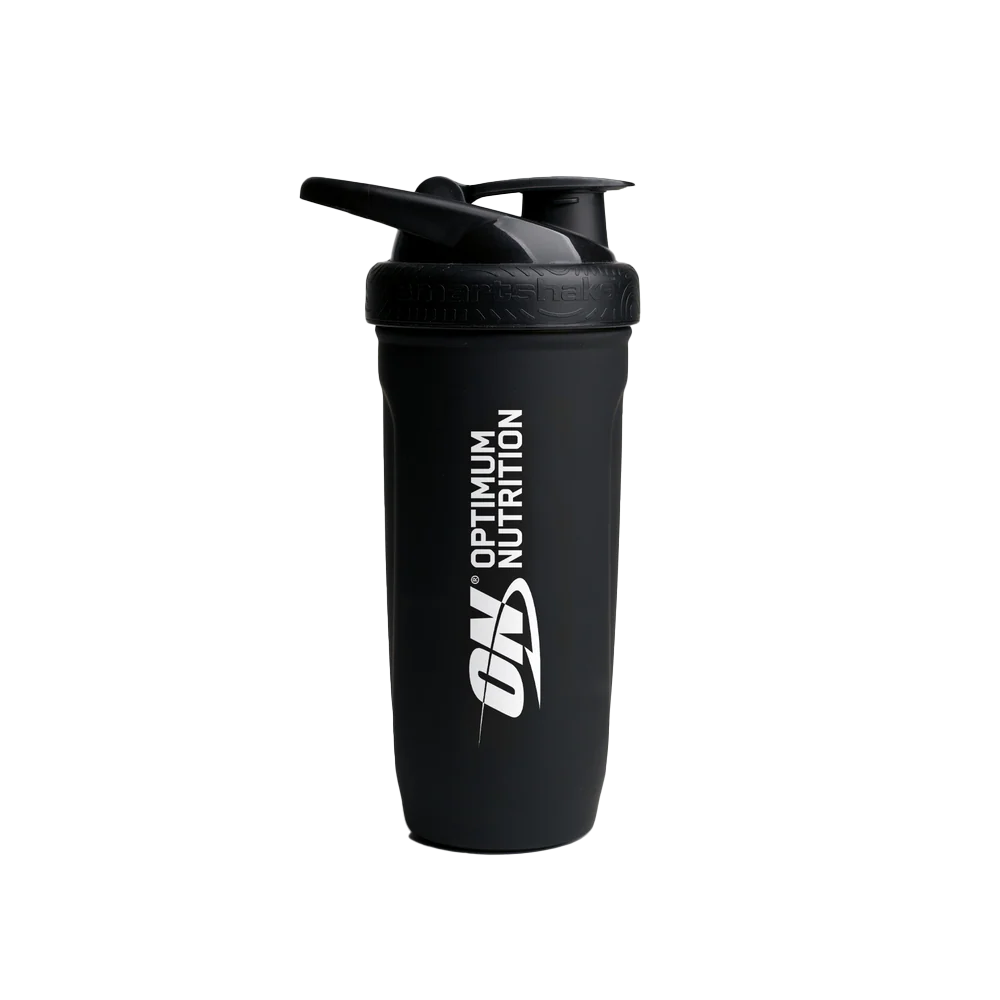
ON Smartshake Reforce Steel Shaker 900ml
A premium stainless steel shaker built for serious training. 900ml capacity, leak-proof and odour-free — perfect for large protein or mass gainer shakes after a tough workout.
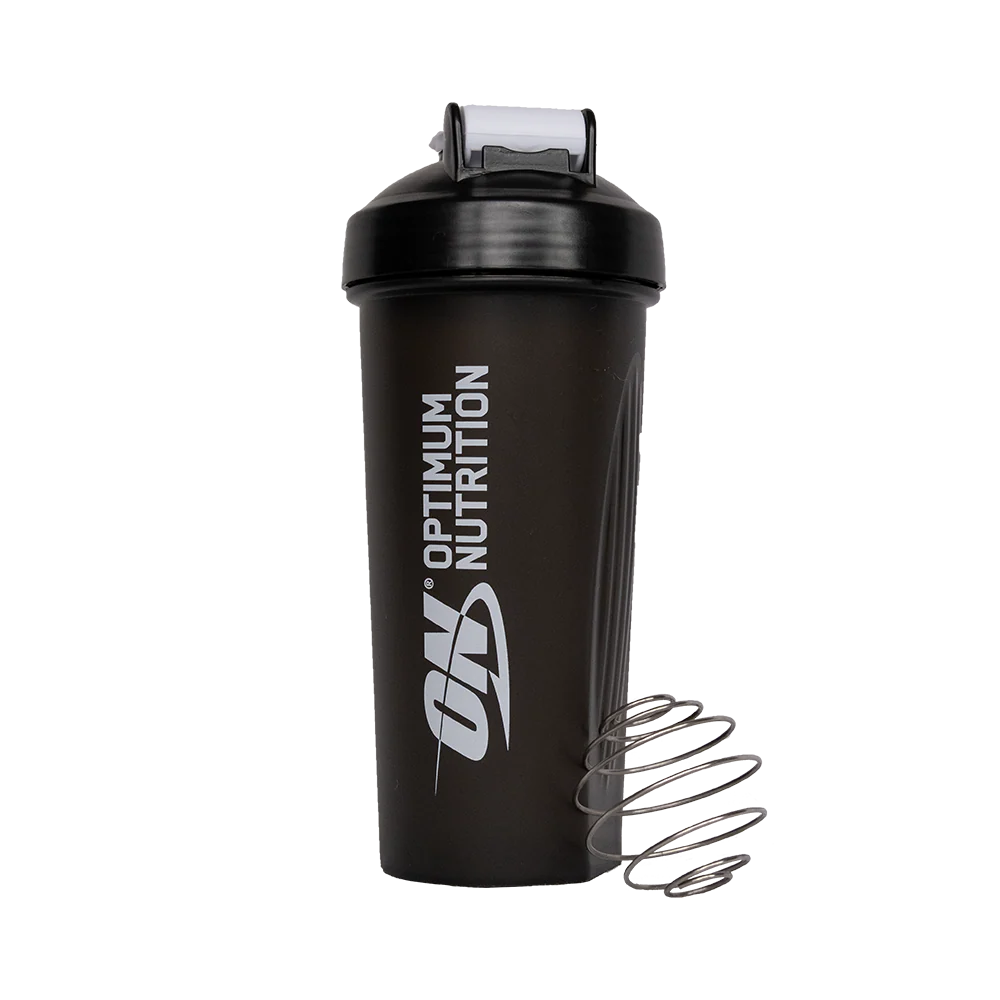
ON Shaker Cup
A sleek, 600ml shaker from the world’s #1 protein brand. Stainless steel mixing ball, leak-proof lid and BPA-free perfect for mixing your post-workout shake.
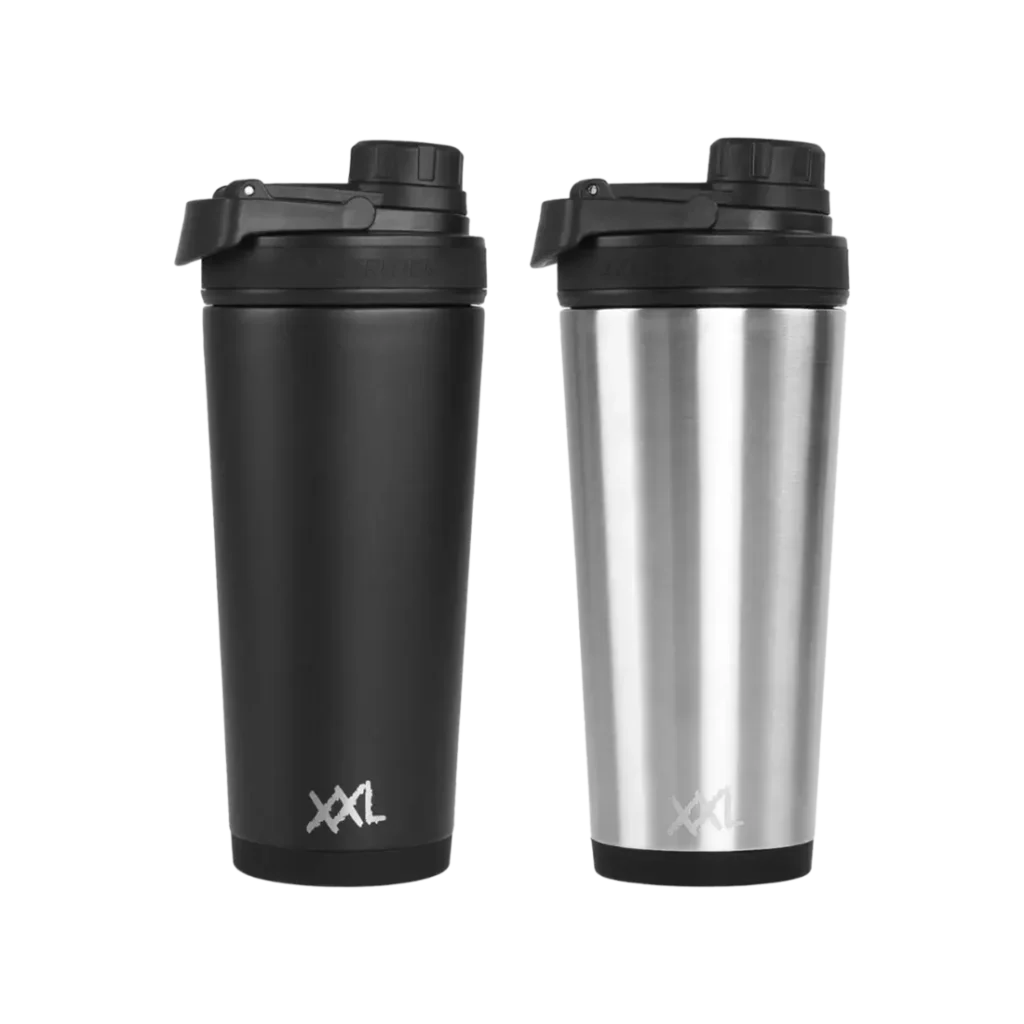
Thermo Shaker V2
Want your shake to stay cold after a long workout? This stainless steel thermo shaker keeps your drink cool for hours and no bad odours over time.
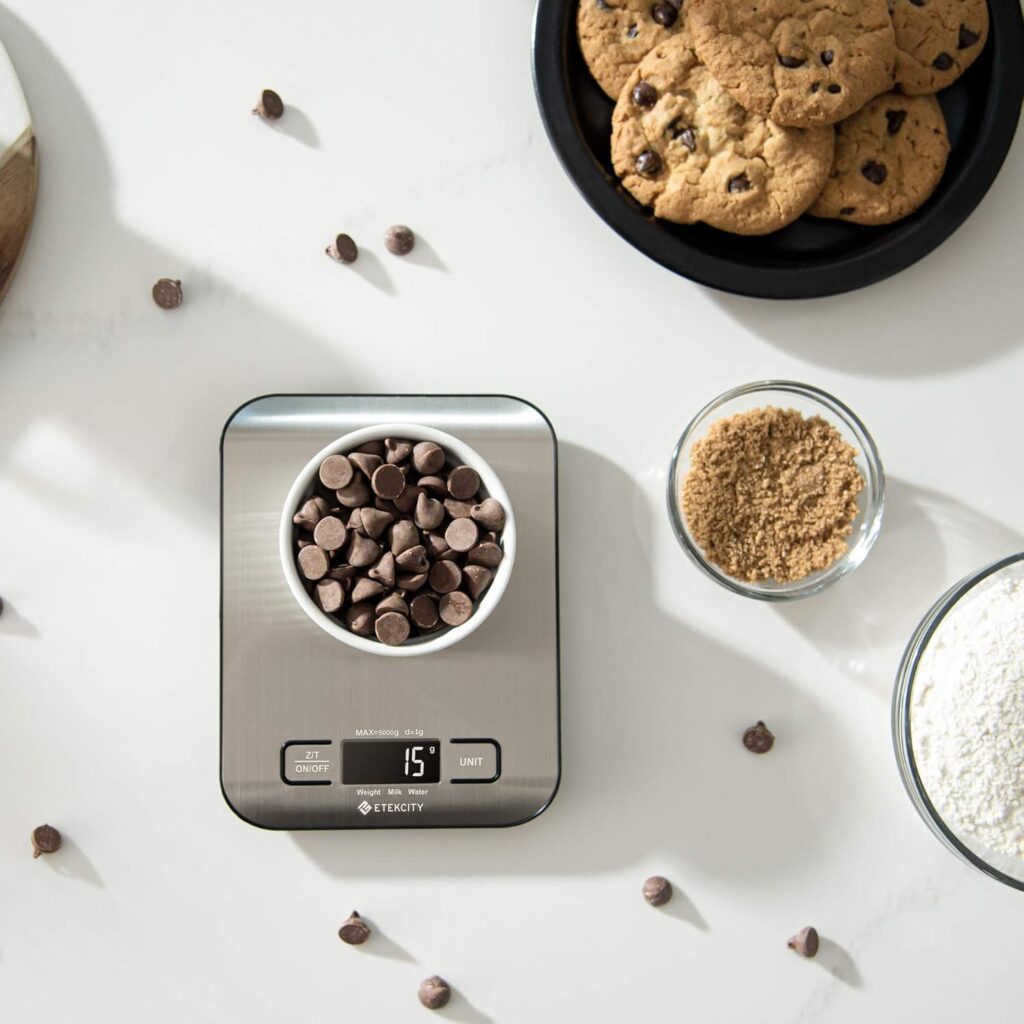
Etekcity Digital Kitchen Scale
Tracking your protein intake starts with accurate portions. This reliable kitchen scale measures in 1g increments with a tare function essential for hitting your daily macros.
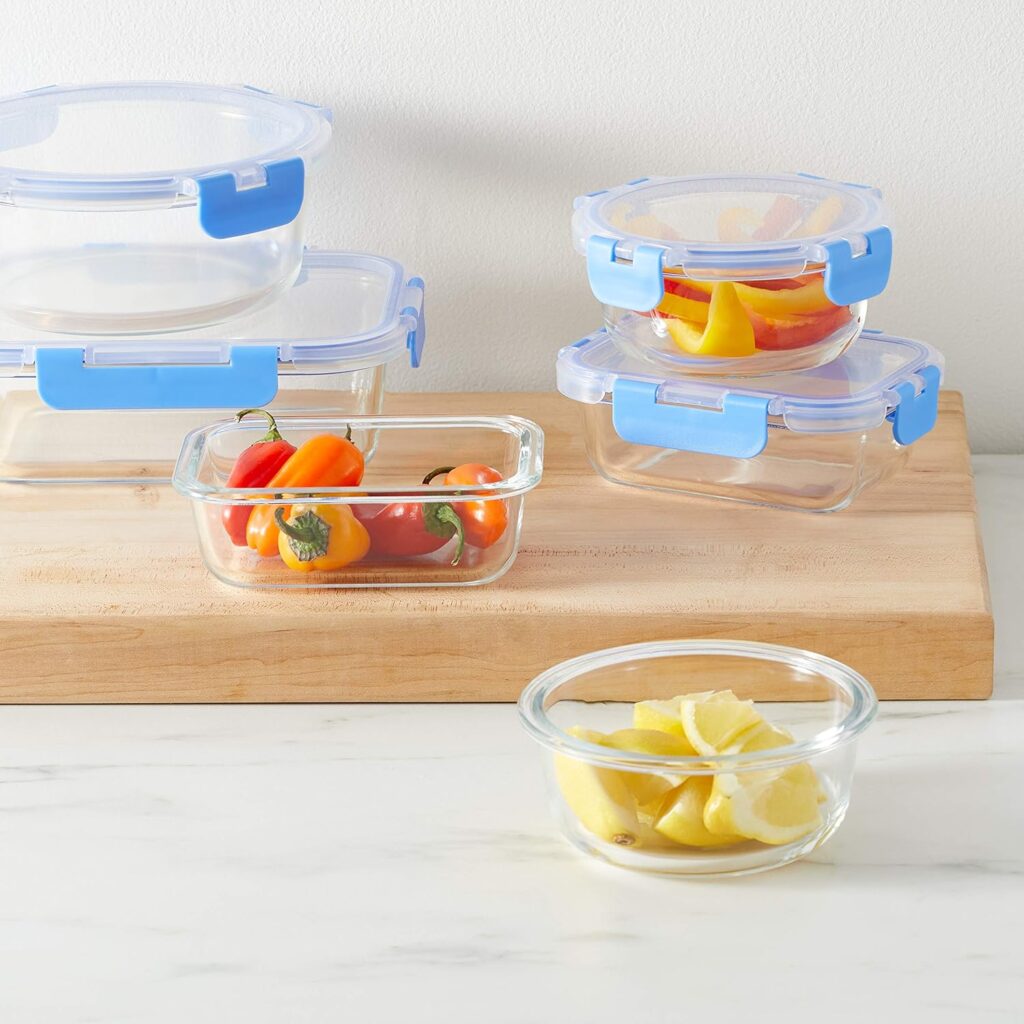
Amazon Basics Meal Prep Containers
Prepare your high-protein meals in advance and stay on track all week. These BPA-free, microwave and dishwasher safe containers make meal prepping simple and consistent.
Frequently Asked Questions About Protein Powder
Below are some of the most common questions people have when choosing a protein powder.
How much protein do I need per day?
Protein needs depend on your body weight, activity level, and goals.
For most active individuals, a good general guideline is:
- General health / low activity: 1.2–1.6g per kg of body weight
- Regular training / fitness goals: 1.6–2.2g per kg
- Muscle building / high-intensity training: 2.0–2.4g per kg
For example, a 70kg person training regularly would need roughly 112–154g of protein per day.
Is whey protein better than isolate?
Neither is universally “better” they serve different purposes.
Whey concentrate is:
- more affordable
- slightly higher in fats and carbs
- ideal for everyday use
Whey isolate is:
- higher in protein percentage
- lower in lactose, fat, and carbs
- better for fat loss or sensitive digestion
When is the best time to take protein powder?
There is no single “perfect” time, but the most common options are:
- After training: to support muscle recovery
- Between meals: to increase daily protein intake
- Before bed (casein): for slow overnight protein release
The most important factor is your total daily protein intake, not exact timing.
Can I use protein powder for weight loss?
Yes.
Protein powder can support weight loss by:
- helping you stay full for longer
- preserving muscle mass during calorie deficit
- making it easier to hit your daily protein target
However, it is not a fat burner it works best as part of a balanced diet.
Is protein powder safe to use every day?
Yes, protein powder is generally safe for daily use for healthy individuals.
It is simply a convenient food supplement that helps you reach your protein needs.
As with any supplement, it should not replace a balanced diet but complement it.
Do I need protein powder to build muscle?
No.
You can build muscle without protein powder as long as you consume enough protein from whole foods.
However, protein powder is:
- convenient
- time-saving
- easy to track
- often cheaper per gram of protein
This is why many people use it as a practical supplement.
What is the best protein powder for beginners?
For most beginners, whey concentrate is the best starting point because it offers:
- good protein content
- affordable pricing
- easy digestion
- great taste variety
Once you become more advanced or have specific goals (like cutting), you may switch to isolate or other types.
Conclusion
Choosing the right protein powder doesn’t need to be complicated.
The most important thing is to match your protein choice with your personal goals, lifestyle, and dietary preferences.
Whether you choose a whey concentrate for everyday use, a whey isolate for a leaner diet, or a plant-based option, consistency matters far more than the specific brand you pick.

If you regularly hit your daily protein target and stay consistent with your training, your results will come over time.
Key takeaway
Focus on:
- your total daily protein intake
- consistency in training
- a protein powder that fits your routine
Not on finding a “perfect” product.
Continue learning
To get better results and understand protein more deeply, you may also find these guides helpful:
👉 Whey vs Isolate: The Truth You Need
👉 Common Protein Mistakes That Slow Down Progress
These articles will help you build a more complete understanding of nutrition and supplementation.
Final recommendation
If you’re still unsure, start with a simple, high-quality whey protein and adjust later based on your progress and goals.
We’ve covered some reliable options in the recommendations section above to help you get started.

Ready to choose your protein?
If you want to compare the best available options based on quality, taste, and value, you can revisit our top picks above.
Each option has been selected to suit different goals and budgets, so you can find the one that fits your routine best.