
Whey vs Isolate: The Truth You Need
Walk into any supplement store, or scroll through any fitness website, and you’ll see two terms everywhere: whey protein and whey isolate.
However, most people assume they’re basically the same thing. They’re not.
The differences between them can genuinely affect your results, your digestion, and your budget. So, before you spend money on the wrong one, here’s everything you need to know explained clearly and without the jargon.
What Is Whey Protein (Concentrate)?
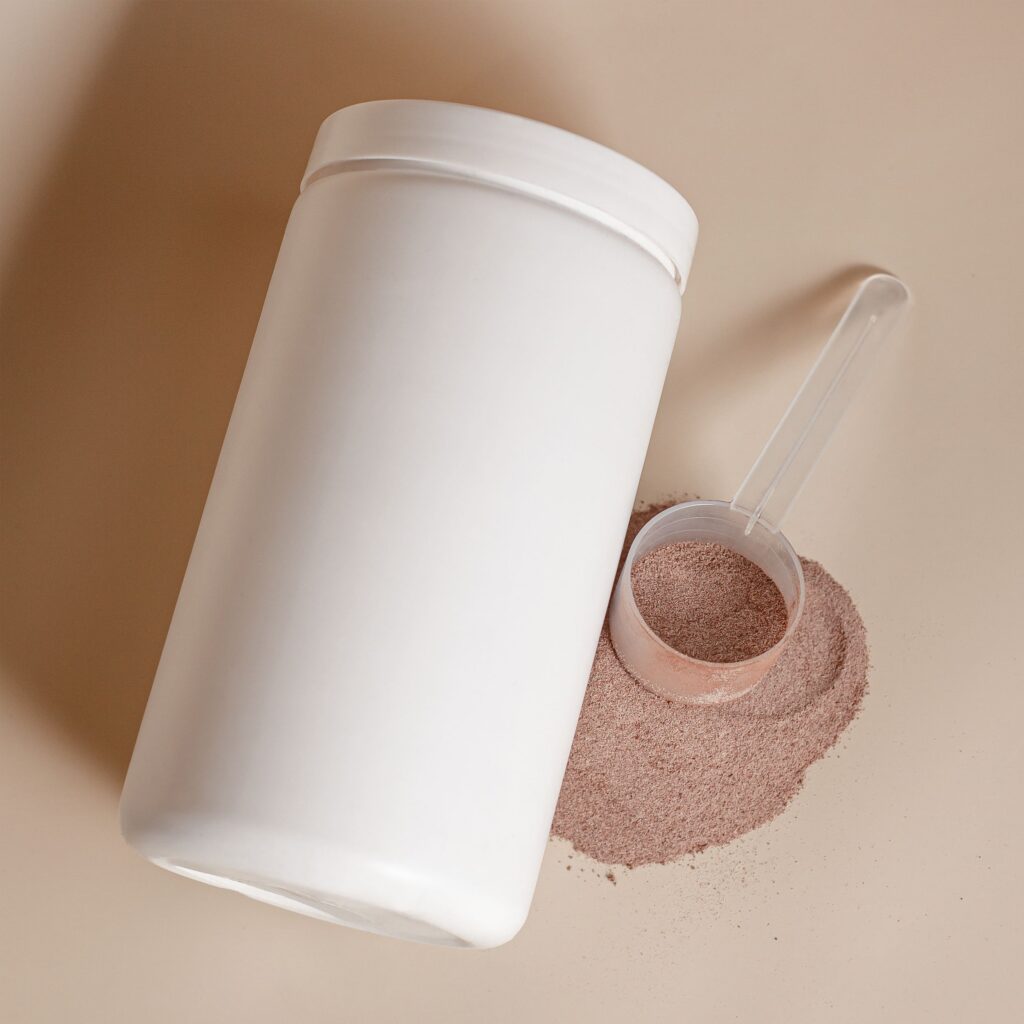
Whey protein, often called whey concentrate, is made from milk. When cheese is produced, liquid whey is left behind as a byproduct. That liquid is then filtered, dried, and turned into the protein powder you see on shelves.
One of the reasons it is so widely used is that it is one of the most researched supplements in the world. It is effective, affordable, and works well for the vast majority of people.
What sets whey concentrate apart is its level of processing. It is only lightly filtered, which means it retains more of the natural compounds found in milk, including small amounts of fat, carbohydrates, and bioactive nutrients.
As a result, it contains lactose, which means some people may experience bloating or discomfort, especially if they are sensitive to dairy.
At the same time, this less processed structure can be an advantage. It digests slightly slower than isolate, which may help improve satiety and support a more sustained release of amino acids.
What’s inside a typical serving:
- 70–80% protein per serving
- Small amounts of fat and carbohydrates
- Contains lactose (milk sugar)
- Rich in BCAAs and essential amino acids
Whey concentrate is ideal for beginners, people training for general fitness, and anyone who wants solid results without spending a lot. It’s the most popular protein supplement in the world and it earned that title.
What Is Whey Isolate?
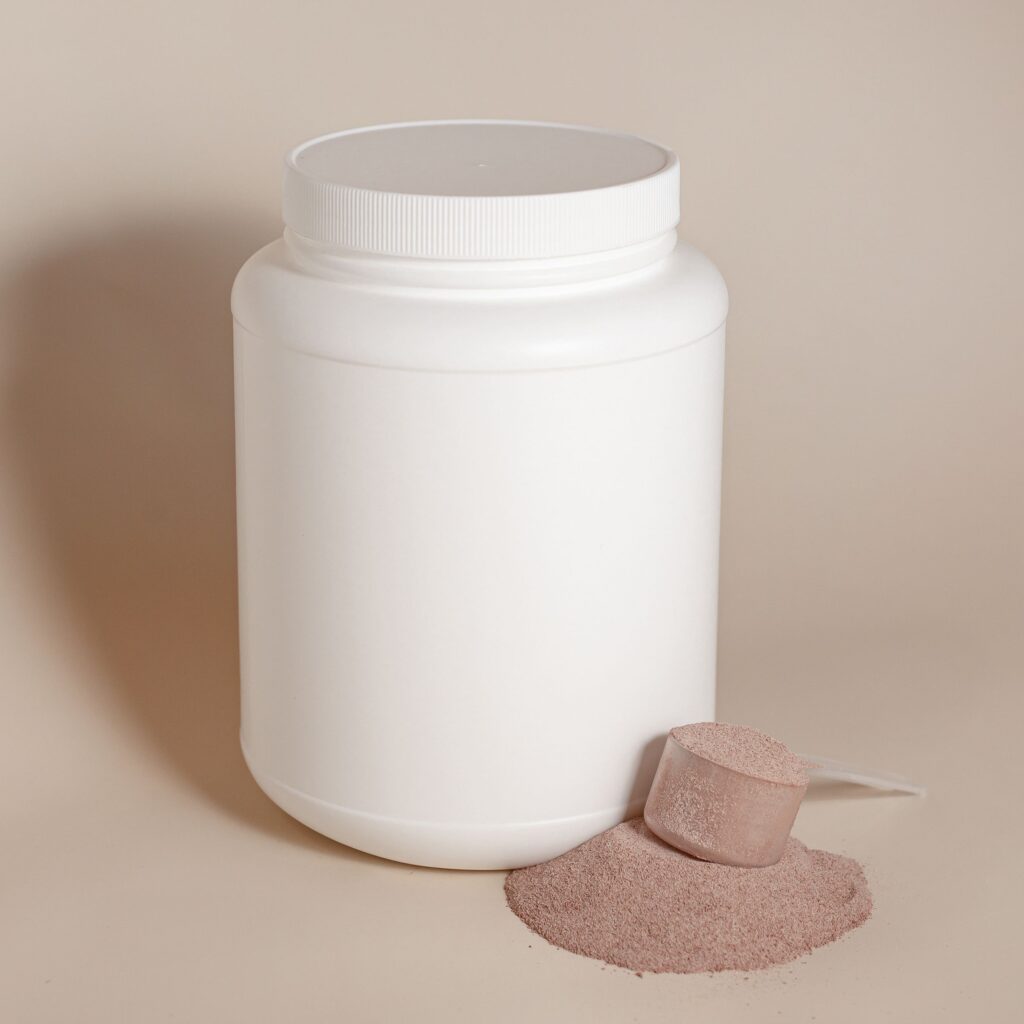
Whey isolate starts as the same raw material as concentrate, but it goes through an additional filtration process such as microfiltration or ion exchange.
This process removes most of the fat, carbohydrates, and lactose, leaving behind a much purer protein source.
As a result, isolate contains a higher protein percentage per serving and is generally easier to digest.
This is why it is often preferred by athletes immediately after training, when quick protein availability is a priority.
It is also a better option for people with lactose sensitivity or those who experience bloating from regular whey protein, since it contains almost no lactose.
However, this extra processing also increases cost, which is why isolate is typically more expensive than concentrate.
What’s inside a typical serving:
- 90%+ protein per serving
- Very little fat or carbohydrates
- Minimal lactose easier to digest
- Faster absorption than concentrate
Whey isolate is best for people in a cutting phase who need to keep calories tight, anyone with lactose sensitivity, and those who want the highest possible protein content per serving.
Side-by-Side Comparison
| Whey Concentrate | Whey Isolate | |
|---|---|---|
| Protein per serving | 70–80% | 90%+ |
| Fat & carbs | Some | Very little |
| Lactose | Yes | Minimal |
| Digestion | Good | Very easy |
| Price | $$ Affordable | $$$ More expensive |
| Best for | General use, beginners | Cutting, lactose sensitivity |
Which One Should You Choose?
There’s no single right answer it depends entirely on your goals, your budget, and how your body responds to dairy. Here’s a simple way to think about it:
Choose Concentrate if:
- You’re just starting out
- You have no lactose issues
- Your goal is general fitness or muscle building
- You want the best value for money
- You’re on a tighter budget
Choose Isolate if:
- You’re in a cutting or fat loss phase
- You’re lactose intolerant or sensitive
- You want maximum protein per calorie
- You prioritise faster absorption
- Budget is less of a concern
Still unsure? For most people especially beginners whey concentrate is the smarter starting point. It’s well-researched, affordable, and delivers real results. You can always switch to isolate later as your goals become more specific.
Our Top Picks
Below are our recommended options across both categories, available from trusted retailers we’re partnered with.
Optimum Nutrition Gold Standard 100% Whey

- 24g of premium whey protein per serving
- The world’s #1 selling whey protein
- Low in sugar under 120 calories per serving
- 5.5g BCAAs per serving
- Wide range of flavours available
Bulk Pure Whey Protein

- 22g of protein per serving
- Excellent value for everyday use
- Wide flavour selection
- Great for beginners and regular gym-goers
XXL Nutrition Whey Isolate
- 90%+ protein per serving
- Very low in fat and carbohydrates
- Ideal for cutting phases
- Good value compared to other isolates
Optimum Nutrition Gold Standard 100% Isolate

- High protein percentage per serving
- Low in fat and carbs
- Virtually lactose-free easy to digest
- Clean formula from the world’s most trusted brand
The Bottom Line
Whey concentrate and whey isolate are both excellent choices the difference comes down to your specific situation.
If you’re just starting out or training for general health and fitness, concentrate gives you everything you need at a price that makes sense.
If you’re deep into a cutting phase, sensitive to lactose, or want to maximise every gram of protein you consume, isolate is worth the investment.
🟢 Beginner or general fitness → Whey Concentrate
🔴 Cutting or lean physique goal → Whey Isolate
🔵 Lactose intolerant → Whey Isolate
Either way — consistency matters far more than which type you pick.
Best Protein Powder: Complete Buying Guide →
Common Protein Mistakes That Slow Down Progress →
This article contains affiliate links. If you purchase through our links, we may earn a small commission at no extra cost to you.