
Common Protein Mistakes That Slow Down Progress
You’re showing up to the gym. You’re eating your protein. You’re doing everything right or so you think.
But the results just aren’t coming the way they should.
Here’s the thing: most people aren’t making big, obvious mistakes.
They’re making small ones the kind that are easy to overlook and even easier to repeat for months without realising.
And those small mistakes add up.
Whether you’re just starting out or you’ve been training for years, chances are at least one of these is quietly slowing you down.
Best Protein Powder: Complete Buying Guide →
Mistake 1: You’re Not Eating Enough Protein

This one catches almost everyone out. People assume they’re eating enough protein because they have a shake after training and some chicken for dinner. But when you actually sit down and add it up, the numbers rarely match what your body needs.
The general recommendation for muscle growth sits around 1.6–2.2g of protein per kilogram of bodyweight per day. For a 70kg person, that’s anywhere between 112g and 154g. That’s a lot more than most people are actually hitting and most people don’t realise until they actually track it.
It’s not about being obsessive.
Just tracking for one week properly not roughly using something like MyFitnessPal is usually enough to see where the gaps are. Most people are genuinely surprised by how far off they are.
Mistake 2: Treating Supplements Like They’re the Main Event
Protein powder is called a supplement for a reason it’s meant to supplement your diet, not replace it. But somewhere along the way, a lot of people flipped that around. Three shakes a day and barely any real food is not the move.
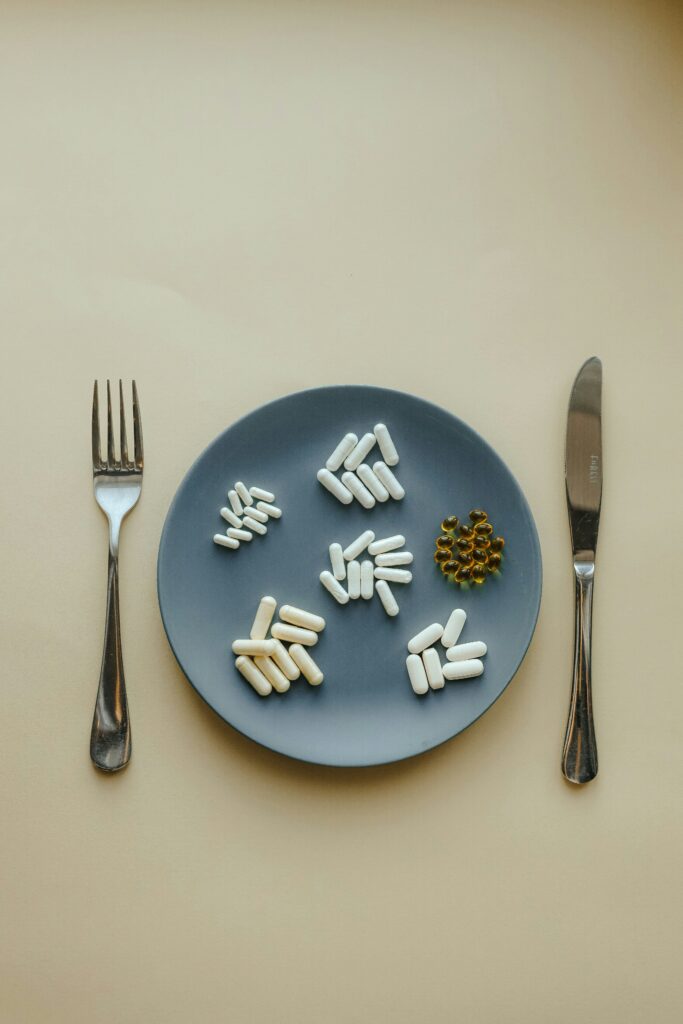
Whole food protein sources bring a lot more to the table than just protein. Eggs, chicken, fish, Greek yoghurt, legumes these all come with vitamins, minerals, healthy fats, and fibre that a scoop of powder simply can’t replicate. Your body knows the difference, even if the protein numbers look the same on paper.
A good rule of thumb is to aim for around 70–80% of your daily protein from real food, and use supplements to bridge the remaining gap not fill it entirely.
Mistake 3: Dumping All Your Protein Into One Meal
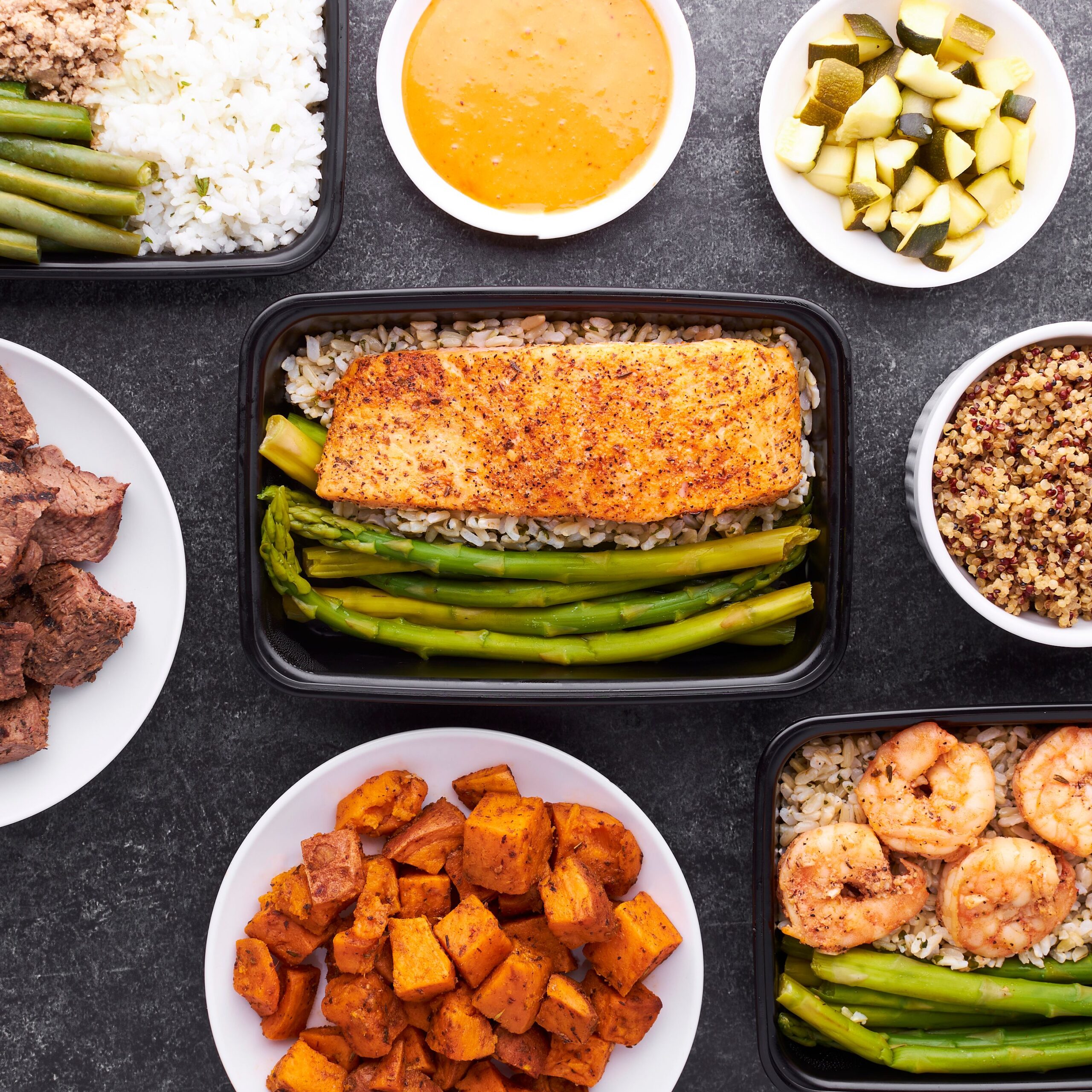
Eating a small breakfast, skipping lunch, then loading up on protein at dinner might feel like you’re hitting your numbers but your body doesn’t really work like that.
Eating a small breakfast, skipping lunch, then loading up on protein at dinner might feel like you’re hitting your numbers but your body doesn’t really work like that.
Your muscles can only use so much protein at once for building and repair. Research consistently points to around 20–40g per meal as the sweet spot for muscle protein synthesis. Pile in 100g in one sitting and most of it just doesn’t get used the way you want it to.
Spreading your intake across 3–5 meals throughout the day doesn’t need to be complicated or perfectly calculated. It just needs to be more even than you’re probably doing right now. Even shifting one big evening meal into two smaller ones across the day can make a noticeable difference over time.
Mistake 4: Not All Protein Is Equal
Hitting your protein target is one thing. Hitting it with quality sources is another. A lot of people count grams without paying any attention to where those grams are actually coming from and that matters more than most realise.
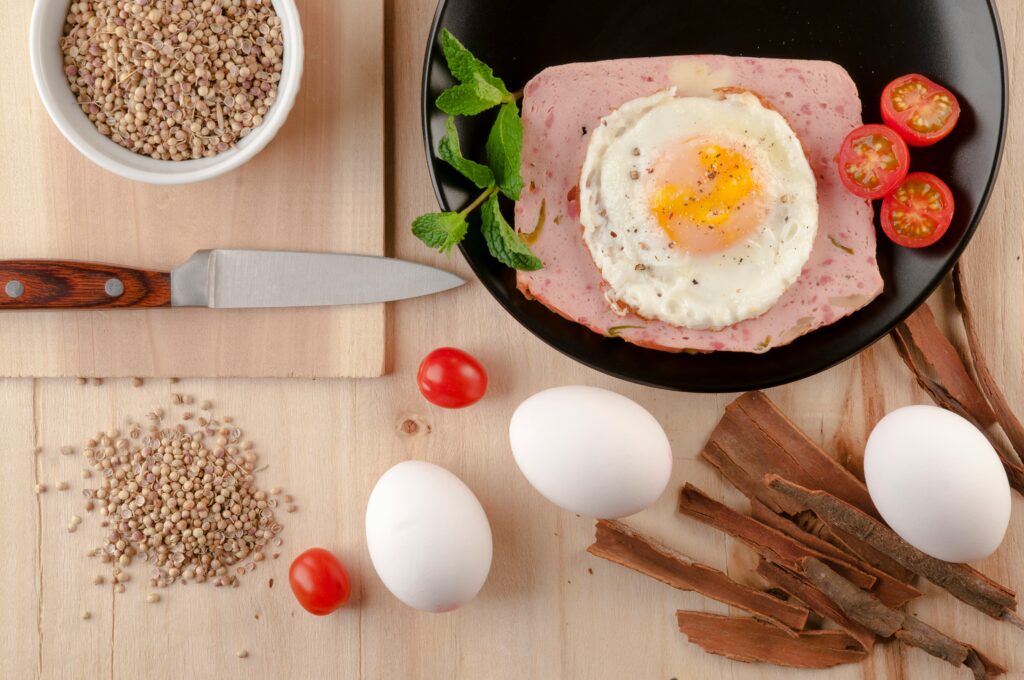
The key factor is your amino acid profile. Complete proteins contain all nine essential amino acids your body can’t produce on its own. Animal sources meat, dairy, eggs are typically complete. Many plant sources on their own aren’t, which is worth knowing if you eat mostly plant-based.
| Higher Quality Sources | Lower Quality Sources |
|---|---|
| Whey protein | Processed deli meats |
| Eggs | Most protein bars |
| Chicken breast | Single-source plant proteins |
| Greek yoghurt | Collagen supplements |
| Salmon | Low-quality protein blends |
If you’re plant-based, the fix isn’t to avoid plant proteins it’s to combine different sources so you cover your full amino acid range. Rice and pea protein together, for example, give you a much more complete profile than either one alone.
Mistake 5: Dropping Protein on Rest Days

Rest days aren’t days off for your muscles they’re the days your muscles are actually doing most of their growing. The workout breaks the tissue down. The recovery is where it rebuilds stronger.
Rest days aren’t days off for your muscles they’re the days your muscles are actually doing most of their growing. The workout breaks the tissue down. The recovery is where it rebuilds stronger.
Muscle protein synthesis stays elevated for up to 48 hours after a training session. So if you drop your protein intake on rest days because you figure you don’t need as much, you’re essentially pulling the building materials away right when the construction is happening.
Keep your intake consistent every day training day or not. It doesn’t need to be identical down to the gram, but it shouldn’t drop significantly either. Your muscles don’t take days off, so your nutrition shouldn’t either.
Products Worth Considering
If you’re looking to tighten up your protein intake, here are three options covering different needs beginner-friendly, plant-based, and recovery-focused.

Diet Protein Shake
A blend of whey concentrate, casein and egg white — so you get both fast and slow-releasing protein in one scoop. A solid all-rounder for anyone building a consistent routine without overcomplicating things. Good value, works well as a meal support rather than just a post-workout shake.
View on Bulk →XXL Nutrition Vegan Protein
Plant-based protein that actually covers your full amino acid profile — which is harder to find than you’d think. It blends multiple plant sources to make up for what any single one would be missing on its own. Good digestibility, available in multiple flavours, and a decent option for anyone avoiding dairy or animal products.
View on XXL Nutrition →
Optimum Nutrition Gold Standard Casein
Casein digests slowly — which makes it particularly useful at night or on rest days when you want a steady supply of amino acids over several hours rather than a quick spike and drop. If rest day protein is something you struggle to keep consistent, this is a straightforward way to cover it.
View on Optimum Nutrition →Wrapping Up
None of these mistakes are complicated to fix. Hit your daily target, spread it out across the day, focus on quality sources, and don’t let your rest days undo your training days. That’s really most of it.
Small adjustments, done consistently, add up faster than you’d expect.
🔵 Best Protein Powder: Complete Buying Guide →
🔵 Whey vs Isolate: The truth you need→
This article contains affiliate links. If you purchase through our links, I may earn a small commission at no extra cost to you.